Featured
)
All About Recent Legislation Influencing Debt Relief Procedures
Table of Contents
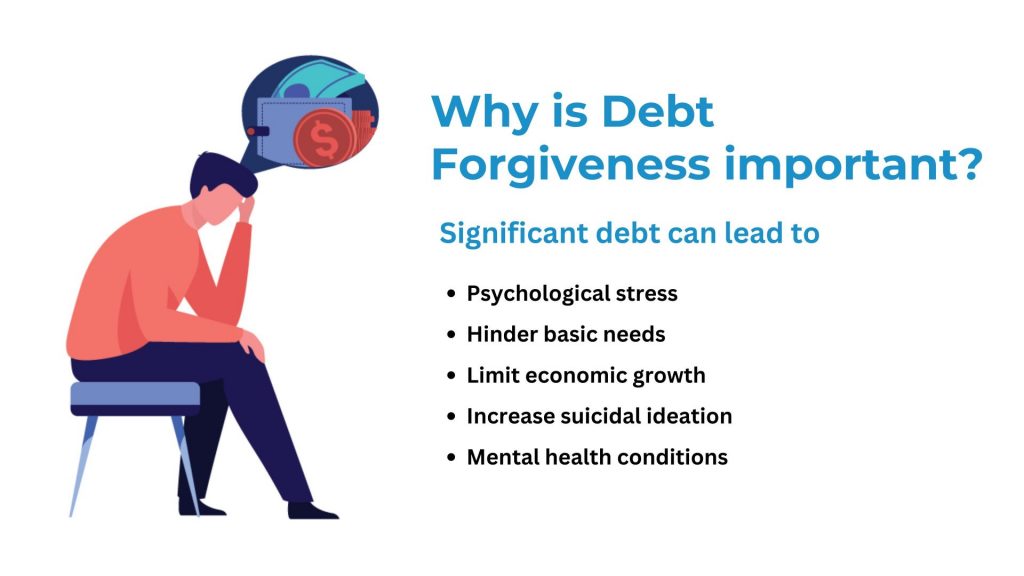
That liberates money in the short term, and you might have three to four years to save toward the settlement amount. Very dangerous to credit rating, mainly due to missed out on payments and a negative "worked out" mark that might remain on your debt record for up to 7 yearsMay be just alternative if various other alternatives (financial obligation combination, balance transfer bank card, financial obligation mercy) aren't possibleTypically calls for a charge to the 3rd party, which can balance out some or every one of the savings from debt settlementMay assist you avoid insolvency if you've missed out on a number of paymentsNot all financial institutions deal with debt settlement companies Financial debt forgiveness might be appropriate for you if you are experiencing a financial challenge that makes it virtually difficult to pay for your debt balances.
With a DMP, you make one monthly repayment to the credit score counseling firm. Those funds are then dispersed to financial institutions of your unsecured debts, such as charge card and installment financings. The company functions with your creditors to decrease interest prices or waive costs, yet some lenders might reject such giving ins.
A debt loan consolidation finance combines your qualified financial obligations into one brand-new finance. It can help you pay down financial obligation if you have the ability to protect a loan price that's less than the average price of the accounts you're consolidating. Nonetheless, you have to avoid from acquiring financial debt on those freshly cleared accounts or your financial debt can grow also greater.
That gives you plenty of time to get rid of or significantly reduce your balance while making interest-free repayments.
The smart Trick of Staying Away From the Previous Mistakes After Your Fresh Start That Nobody is Discussing
You might require it if your creditor or a collection agency ever tries to collect on the financial debt in the future. The letter might confirm you don't owe what the debt collection agency's documents show. Yes, most of the times, the internal revenue service considers forgiven financial debt as gross income. When a lender forgives $600 or more, they are required to send you Kind 1099-C.
Financial debt mercy or settlement almost always hurts your credit rating. Anytime you clear up a financial obligation for much less than you owe, it may appear as "settled" on your credit rating record and impact your credit history for seven years from the date of negotiation. Your credit score can likewise drop significantly in the months resulting in the mercy if you fall back on payments.
The Best Guide To Developing a Personalized Journey to Freedom
Tax obligation financial debt compromise programs Tax obligation financial obligation occurs when the quantity of tax obligations you owe exceeds what you have paid. This circumstance frequently arises from underreporting income, not submitting returns on time, or inconsistencies found throughout an internal revenue service audit. The effects of accumulating tax financial debt are significant and can consist of tax obligation liens, which provide the internal revenue service a lawful case to your home as security for the debt.
Greater rates of interest on available credit scores. Wages and Bank Accounts IRS can levy (confiscate) salaries and checking account to please the financial debt. Decreased earnings and disturbance of necessary economic procedures. Residential or commercial property Seizure In extreme instances, the internal revenue service can confiscate and offer residential or commercial property to cover the financial debt. Loss of important properties and possible displacement.
Social Preconception Encountering legal activity from the Internal revenue service can bring social stigma. Work Opportunities An inadequate credit history score due to exhaust financial obligation can limit employment opportunities. Government Benefits Tax financial debt might influence eligibility for government advantages, such as Social Safety and Medicaid.
Some Of True Testimonials of Financial counseling for veterans in Alabama who feel stuck making only minimum payments Clients
The OIC takes into consideration several aspects, consisting of the taxpayer's income, costs, possession equity, and ability to pay. Efficiently working out an OIC can be complicated, needing a comprehensive understanding of the internal revenue service's guidelines and a strong debate for why your deal aligns with your capability to pay. It is necessary to note that not all applications are approved, and the procedure needs detailed financial disclosure.
The internal revenue service analyzes your general financial scenario, including your earnings, costs, property equity, and capacity to pay. You must likewise be current with all declaring and payment needs and not remain in an open personal bankruptcy case. The IRS also considers your conformity history, reviewing whether you have a record of prompt declaring and paying tax obligations in previous years.
Some Known Facts About Typical Misunderstandings Surrounding Debt Forgiveness.
The application process for a Deal in Concession includes a number of thorough actions. You need to finish and send IRS Type 656, the Offer in Compromise application, and Type 433-A (OIC), a collection details statement for individuals. These forms need comprehensive financial information, consisting of information concerning your income, financial obligations, expenditures, and properties.
Back tax obligations, which are unsettled taxes from previous years, can considerably raise your total internal revenue service debt otherwise attended to promptly. This financial obligation can build up passion and late payment fines, making the original amount owed much larger gradually. Failure to pay back tax obligations can lead to the IRS taking enforcement activities, such as issuing a tax lien or levy against your property.
It is very important to deal with back taxes immediately, either by paying the complete quantity owed or by arranging a settlement strategy with the IRS. By taking positive actions, you can prevent the accumulation of added rate of interest and penalties, and stop more hostile collection actions by the IRS.
One typical factor is the idea that the taxpayer can pay the complete quantity either as a swelling sum or via a layaway plan. The IRS additionally considers the taxpayer's earnings, expenses, possession equity, and future earning potential. If these aspects show that the taxpayer can manage to pay even more than the provided amount, the internal revenue service is likely to decline the deal.
The smart Trick of Restoring Your Credit Rating the Right Way That Nobody is Discussing
It is critical to offer precise and full information in your application and to speak with a tax obligation expert to improve the chances of approval. Handling internal revenue service financial obligation can be intricate and overwhelming. Tax obligation specialists, such as CPAs, tax obligation lawyers, or enrolled agents, can provide very useful help. They have the competence to browse the complexities of tax obligation legislation and internal revenue service treatments.

Table of Contents
Latest Posts
What Does Post-Bankruptcy Help and Group Resources Mean?

The 4-Minute Rule for Your First Step to The Emotional Aftermath of Debt: Integrating Mental Health into Financial Counseling with a Counselor
The Only Guide for Understanding Multiple Relief Programs You Need to Know About
More
Latest Posts
What Does Post-Bankruptcy Help and Group Resources Mean?
The Only Guide for Understanding Multiple Relief Programs You Need to Know About